
A Nation on Edge: Retaliation, Unrest, and the 2026 World Cup
By: Viola Inclan
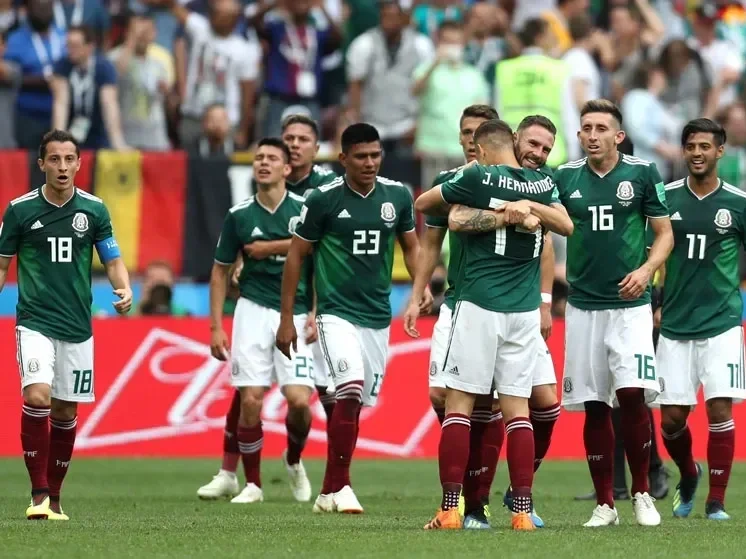
Photo credits: World Soccer
Last Sunday, February 22, 2026, Mexican security forces killed Nemesio Oseguera Cervantes, the notorious head and founder of the Jalisco New Generation Cartel, during a military operation in Tapalpa, Jalisco. Also known as "El Mencho", Nemesio Oseguera Cervantes had a reputation for being one of the world’s most dangerous drug traffickers and for over a decade had managed to keep his elusiveness intact. Yet, with the help of U.S. intelligence, Mexico’s military intelligence launched its operation, which culminated in the death of Nemesio Oseguera Cervantes.
Despite the military’s best efforts to reduce violence, El Mencho’s death resulted in widespread retaliation and unrest in major states by his followers. In Jalisco, Michoacán, Colima, Tamaulipas, Guanajuato and Aguascalientes, road blockages were reported. Followers of El Mencho attacked national guard bases, burned pharmacies, convenience stores, vehicles, buses, and disrupted daily life across multiple cities in a calculated display of power.
But with all this disarray, where does this leave us for the upcoming World Cup 2026 games?
Guadalajara, the capital of Jalisco, is intended to host four World Cup games this summer. According to Mexico’s president Claudia Sheinbaum, she has said that there is no risk for visitors coming to the World Cup games scheduled in Mexico this summer and that conditions will gradually return to normal. In addition, the Mexican government is expected to increase their security across the country, especially in Guadalajara to ensure safety.
Yet, how can we be certain that this tension will truly subside? What about Mexico’s tourism economy? Will it be affected?
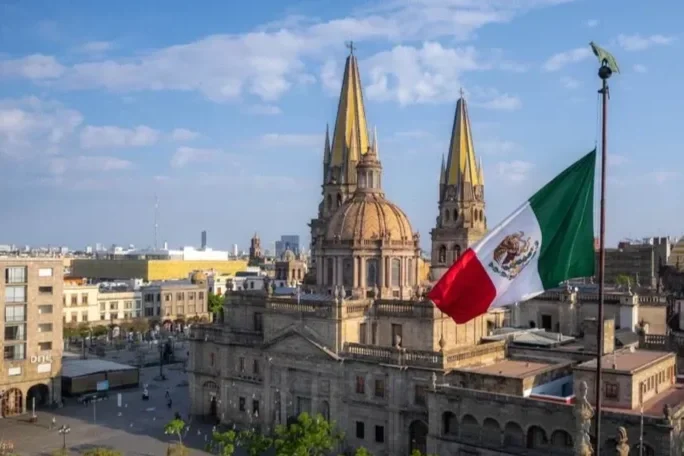
Photo credits: PhotoAge West
Even if the games remain in place in Guadalajara, these strikes may have a direct impact on Jalisco's tourism revenue. What was projected to stimulate Mexico’s economy and be a global showcase of national stability may be collateral damage and a step back from demonstrating Mexico’s institutional and economic strength. Small businesses who were expecting increased foot traffic, higher sales, and a wave of international tourists may now find themselves with less of a clientele and lower revenues, forced to absorb the economic uncertainty created by instability beyond their control.
What we can do now is wait. Wait and see whether the government’s promises translate into lasting stability and real results. The World Cup will place Mexico under global scrutiny, and in the months ahead, the country must prove that this moment marks not just a temporary show of force, but a permanent step toward sustained security and economic confidence.